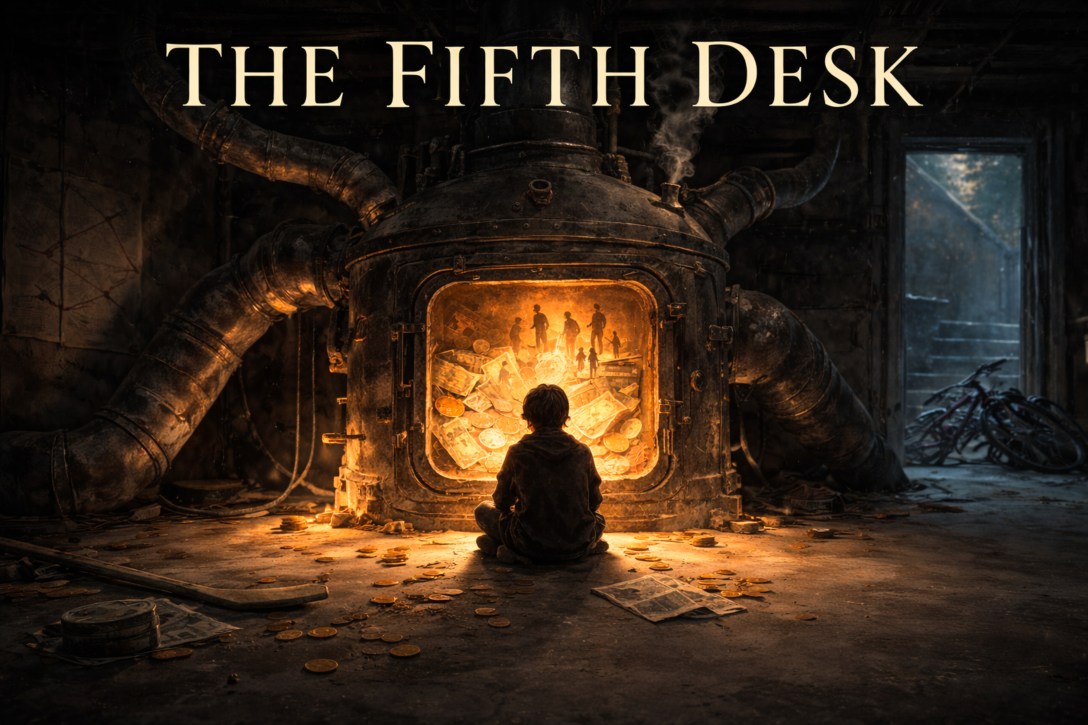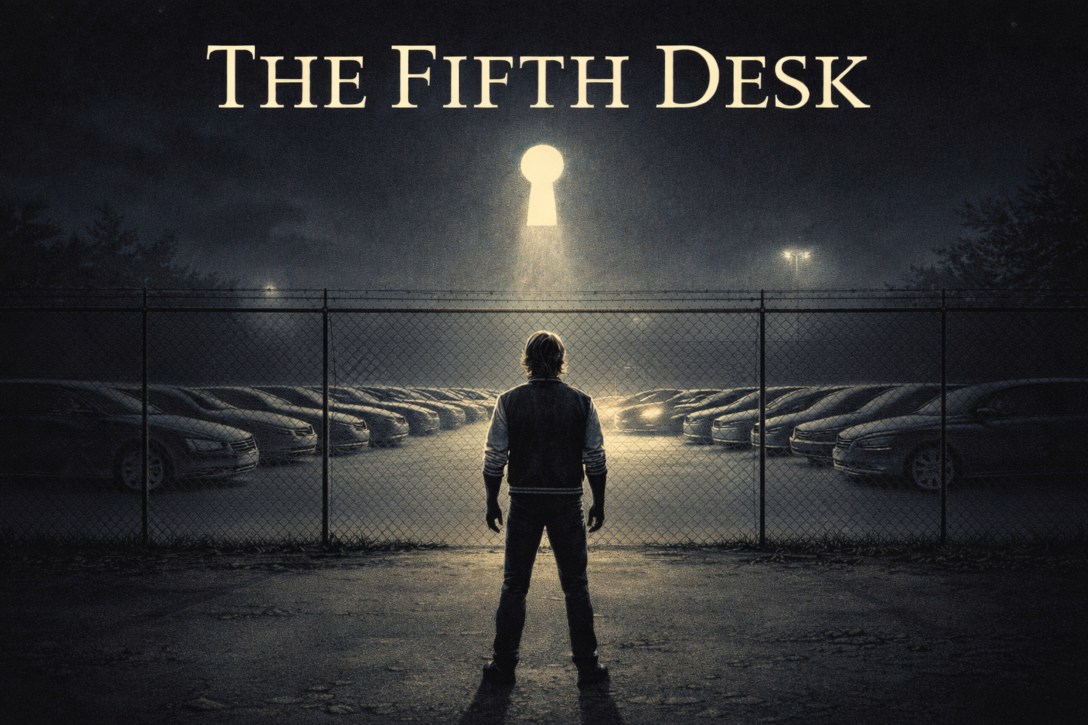
Also when they shall be afraid of that which is high, and fears shall be in the way, and the almond tree shall flourish, and the grasshopper shall be a burden, and desire shall fail: because man goeth to his long home, and the mourners go about the streets." Ecclesiastes 12:5, The King James Bible … Continue reading His Long Home
Author: Dallas Fender
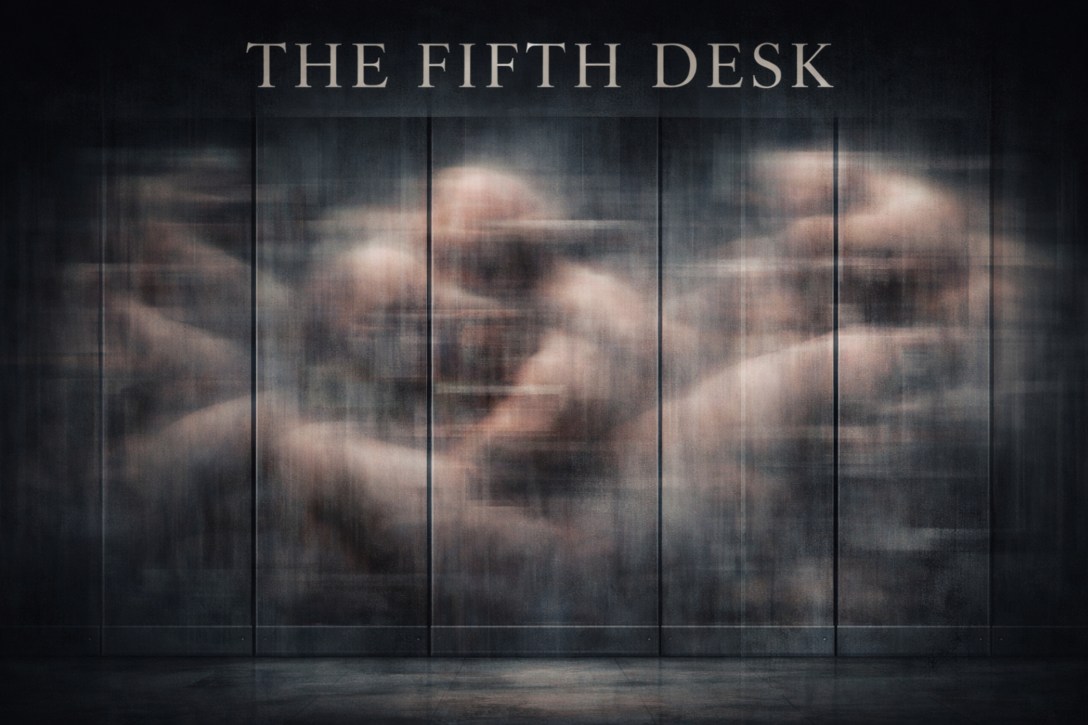
Residual Flesh
This sequence begins from a condition that was not immediately visible when one first encountered images like these. It once appeared that the body was being distorted—stretched, smeared, subjected to pressure by technical means that degraded its integrity. The violence seemed external, as though something had happened to the image after the fact. Only later… Continue reading Residual Flesh
The Indifferent Gaze
There was a period—not long ago, though it now feels structurally distant—in which proximity still carried the promise of intimacy. To move closer to the body was to approach it, to enter its field, to risk some form of recognition. The language surrounding images depended on this assumption so completely that it rarely announced itself.… Continue reading The Indifferent Gaze
The Distribution of Burden
The bunker appears midway through Fathers and Sons, but the structure it reveals has been operating from the first page. By the time the characters enter it, the essential work of the story has already been underway for hundreds of lines. Pressure has been moving quietly through rooms, messages, corridors, meetings, meals, funerals, and absences.… Continue reading The Distribution of Burden
Systems of Innocence
The event enters the apartment as pressure before it becomes knowledge. Sirens move through the seams of the building, at first indistinguishable from the ordinary mechanical life of the city. Elevators hum, pipes expand, traffic circulates through the streets below. Only after the sound persists does it separate itself from these background systems. By the… Continue reading Systems of Innocence
What Cannot Be Said
The first sentence the reader encounters in Still Two-Thirty-One does not belong to the story at all. It belongs to Wittgenstein. “What we cannot speak about we must pass over in silence.” The line appears before the narrative begins, a philosophical fragment placed above an account of a night in which a woman goes into… Continue reading What Cannot Be Said
Routines That Carry the Day
There are moments when a person discovers that emotion alone cannot carry the weight of what has happened. Feeling becomes too unstable, too porous, too easily disrupted by memory or accident. At such moments another kind of structure begins to emerge. It does not announce itself as philosophy or therapy. It appears first in the… Continue reading Routines That Carry the Day
The Republic of the Furnace
There are objects in childhood that seem accidental while we are living among them. They belong to the background of the house, part of the machinery of daily life, and we assume they exist only to serve whatever practical purpose adults once assigned to them. Only later does it become clear that such objects were… Continue reading The Republic of the Furnace
The Visionary Thief
I first encountered the figure of the young car thief at a time when institutions had begun to believe they had finally mastered disorder. The modern city had surrounded its valuable objects with an apparatus designed to eliminate unpredictability. Cameras watched the entrances to warehouses and storage lots. Patrol routes repeated through the night with… Continue reading The Visionary Thief